
Milestones in Bandura History
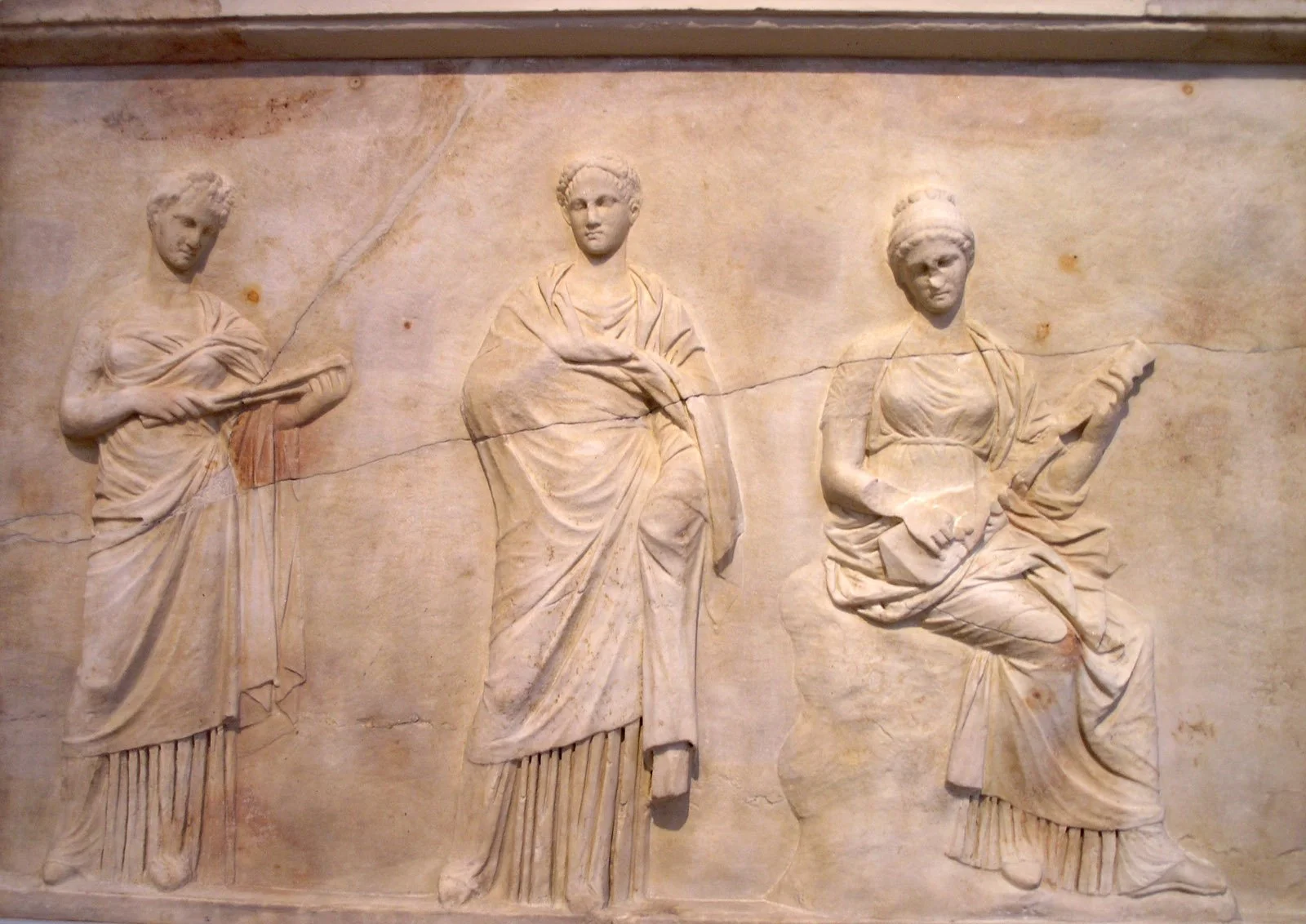
~325 BC: Greek marble sculpture of a “pandoura” player, which is where we get the word “bandura”
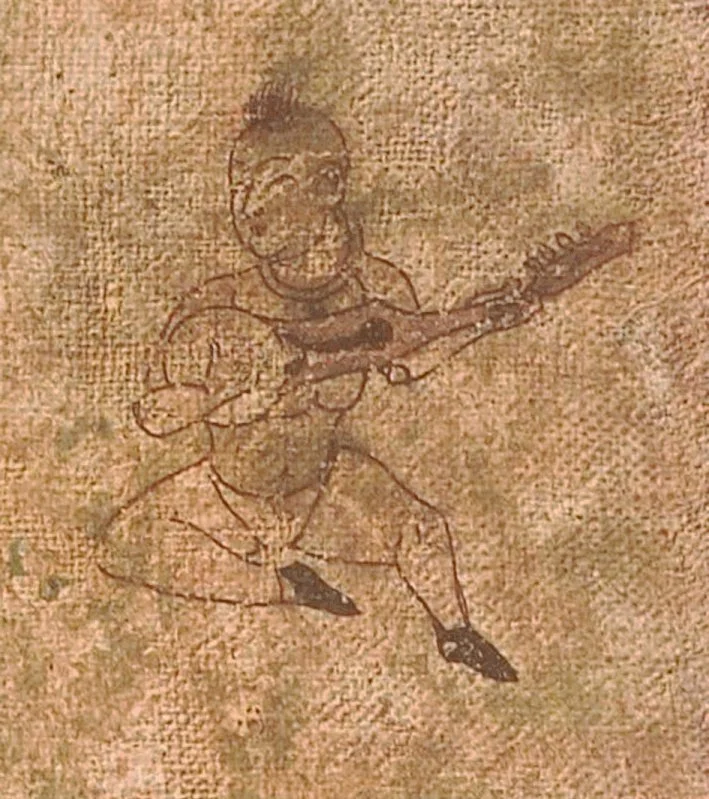
~850 AD: Painting of an early “komuz” player in Western China. The word “komuz” is related to the word “kobza,” which was loaned to Ukrainian through the Turkic languages. Up until the early 20th century, “bandura” and “kobza” were often used as synonyms.
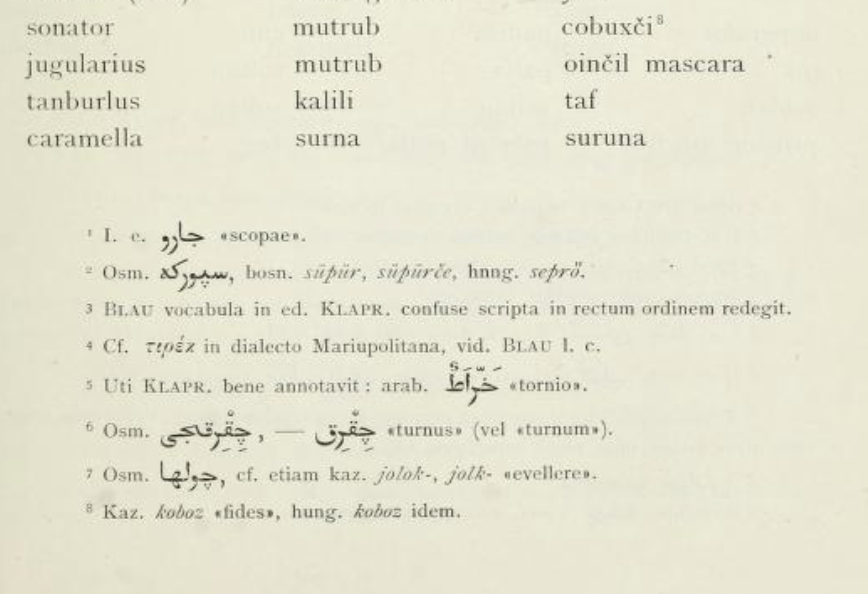
~1330: The Codex Cumanicus – a dictionary created in Crimea in the 14th century – records the Cumans using the word “kobuxči” for “musicians”. This is related to the word “kobza”.
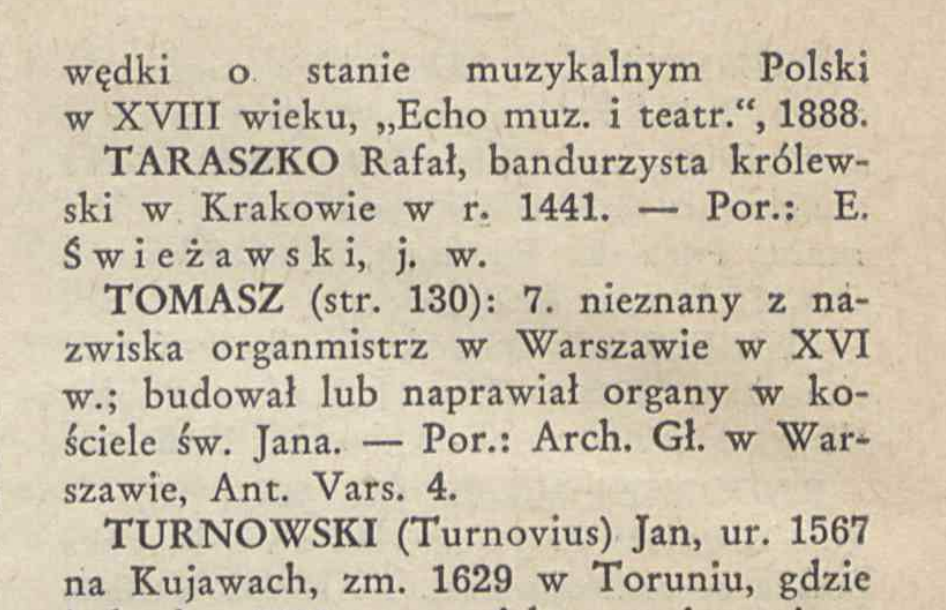
1441: Early reference to the “bandura” – bandurist Rafał Taraszko in Krakow

15th Century: Depiction of a lute in a church in Bukovina
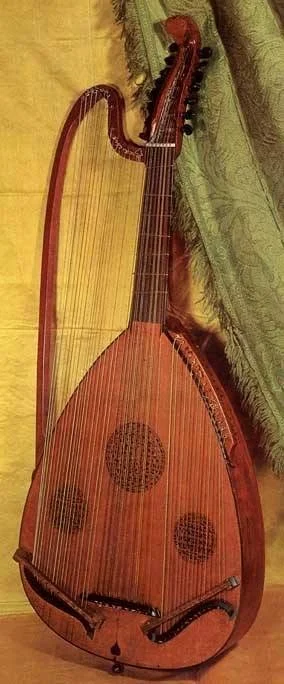
~1590: Wendelin Tieffenbrucker develops the "polyphant,” one of the earliest examples of an instrument which combines elements of the lute and the zither
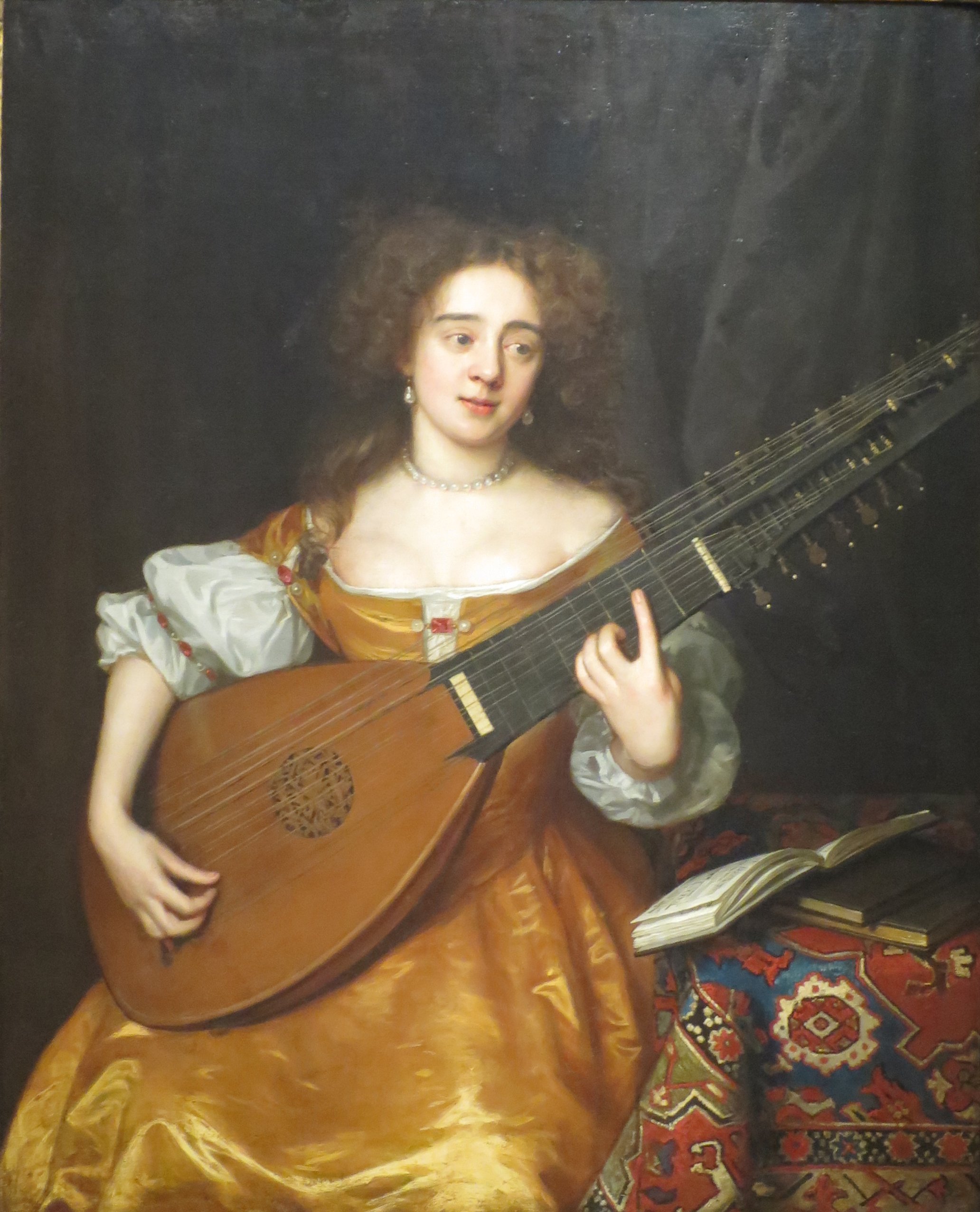
1670: Depiction of an English theorbo player. The theorbo’s double-neck would influence the contrabass scroll found on the torban and some later banduras.
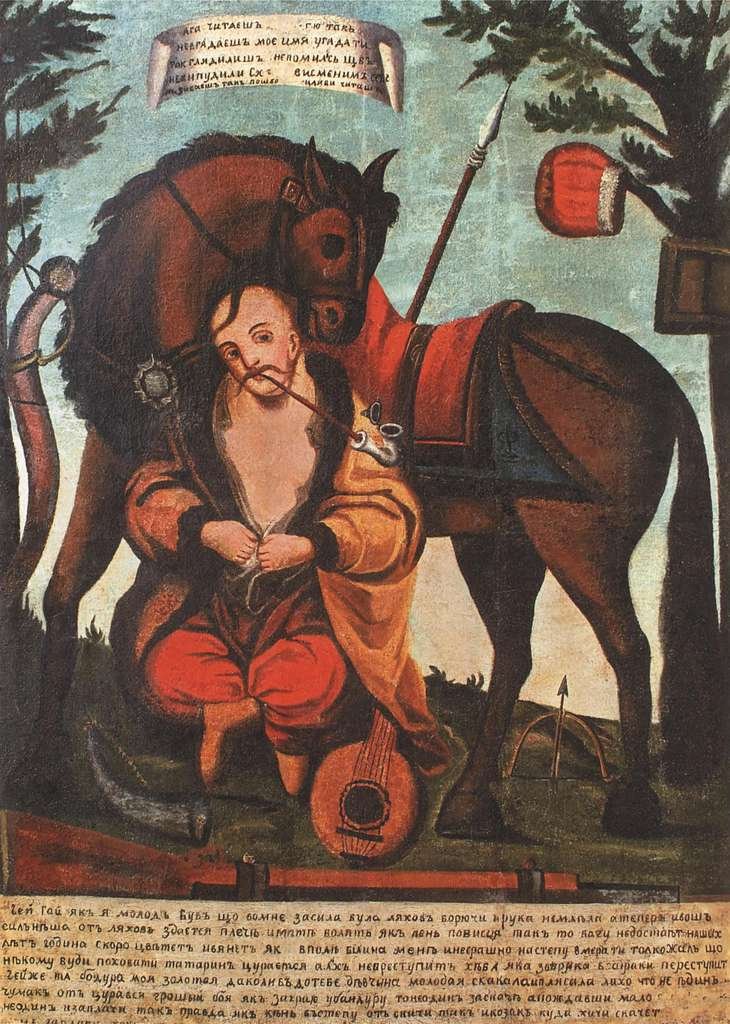
1728: One of the earliest depictions of Kozak Mamay with his kobza/bandura. At this time, “bandura” is still just the Ukrainian word for “lute,” and we don’t see notable differentiation from European lutes yet
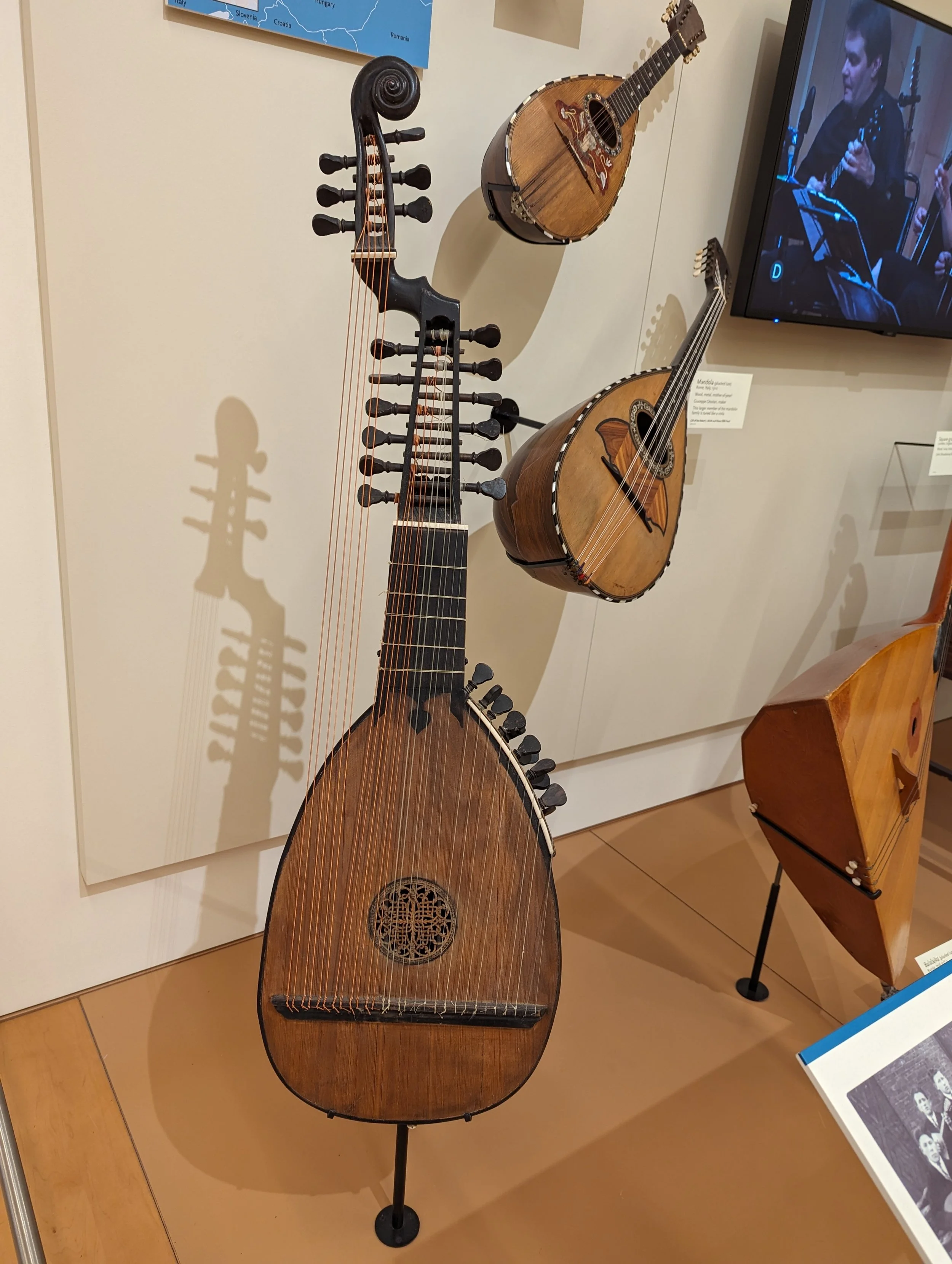
1740: The torban – an instrument based on the theorbo – is invented by the Polish monk Tuliglowski. It is unknown whether the torban borrowed prystrunky from banduras or visa-versa.
Despite being invented by a Pole, it became much more popular in Ukraine.
The bent-stave design of the back of the torban probably influenced the construction of the Lviv bandura. The double-neck influenced the double-scroll found on many later banduras.
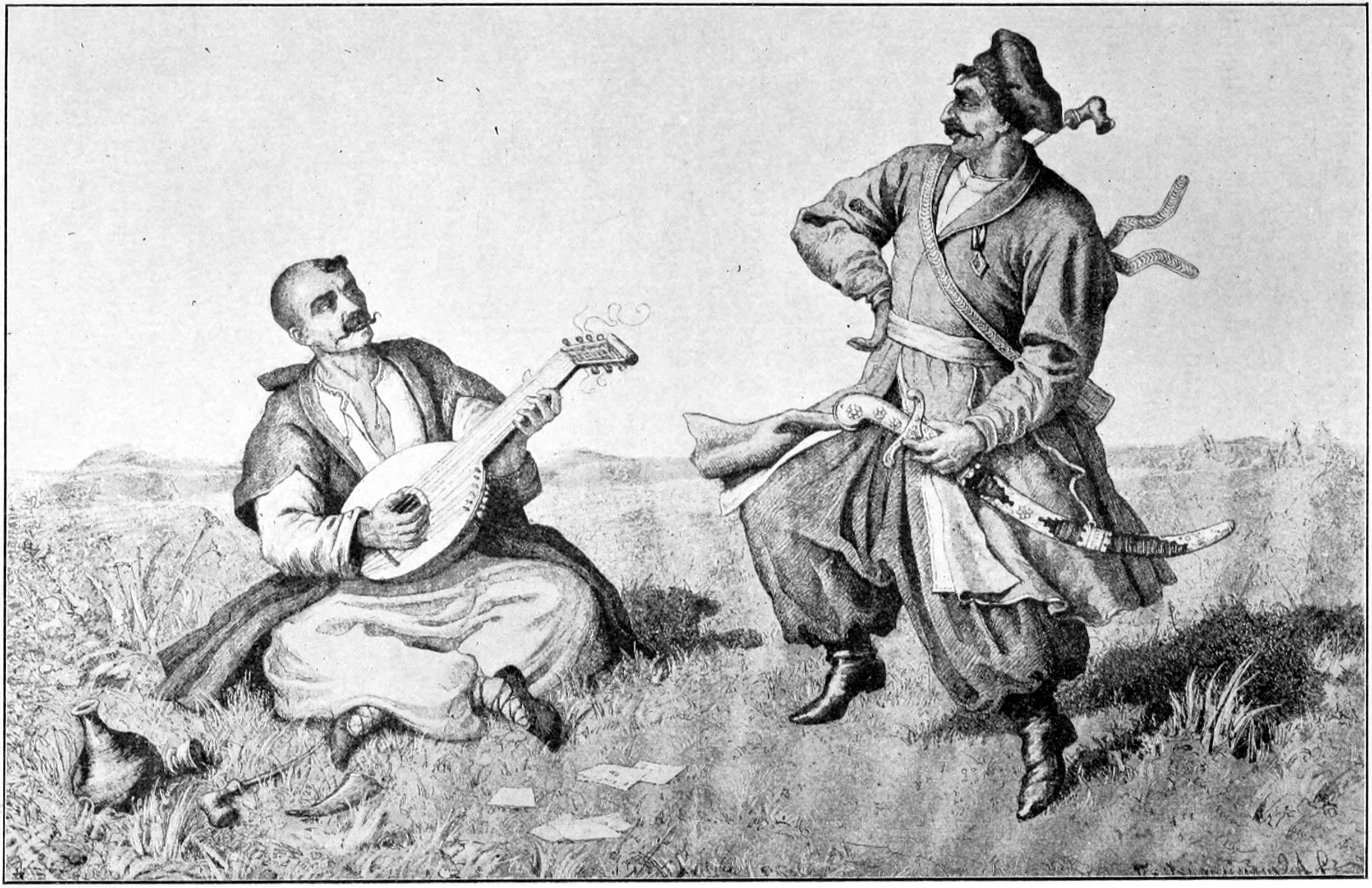
~1770: The earliest depiction of “prystrunky” on a bandura. This is when the bandura begins to diverge significantly from European lutes.
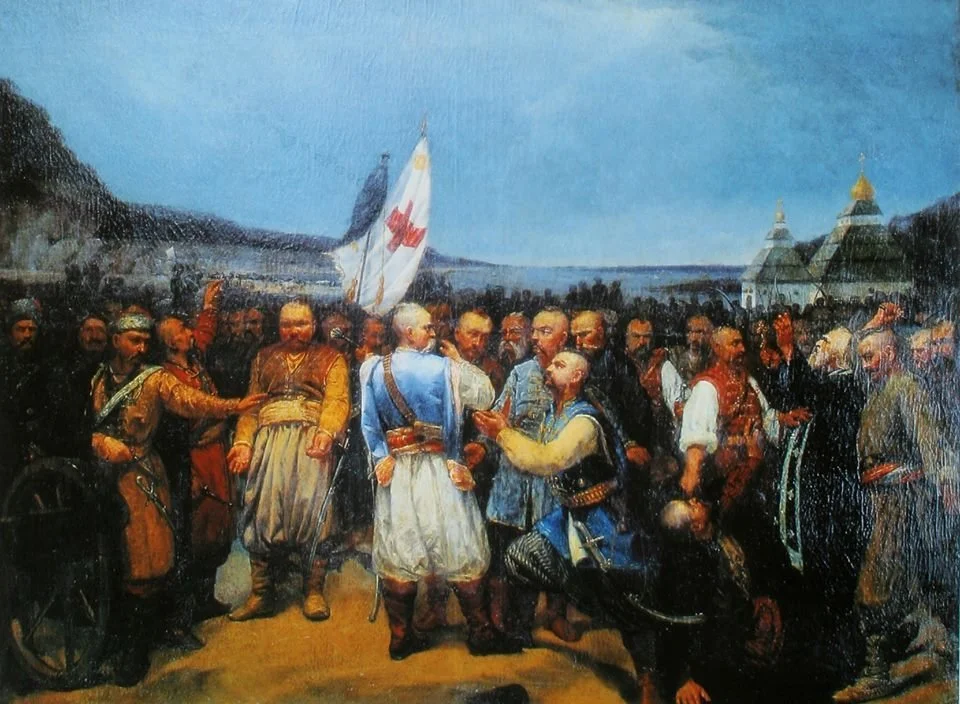
1775: Tsarina Catherine II liquidates the Zaporozhian Sich, ending a degree of Ukrainian autonomy. Most bandura players lose their jobs and become beggars. This group eventually morphs into the predominantly blind bards known as “kobzars”.

1840: The exiled Ukrainian poet Taras Shevchenko publishes his collection of poetry entitled “Kobzar” (The Kobza Player)
1876: The Russian Empire bans public performances in the Ukrainian language, effectively making the kobzar lifestyle illegal
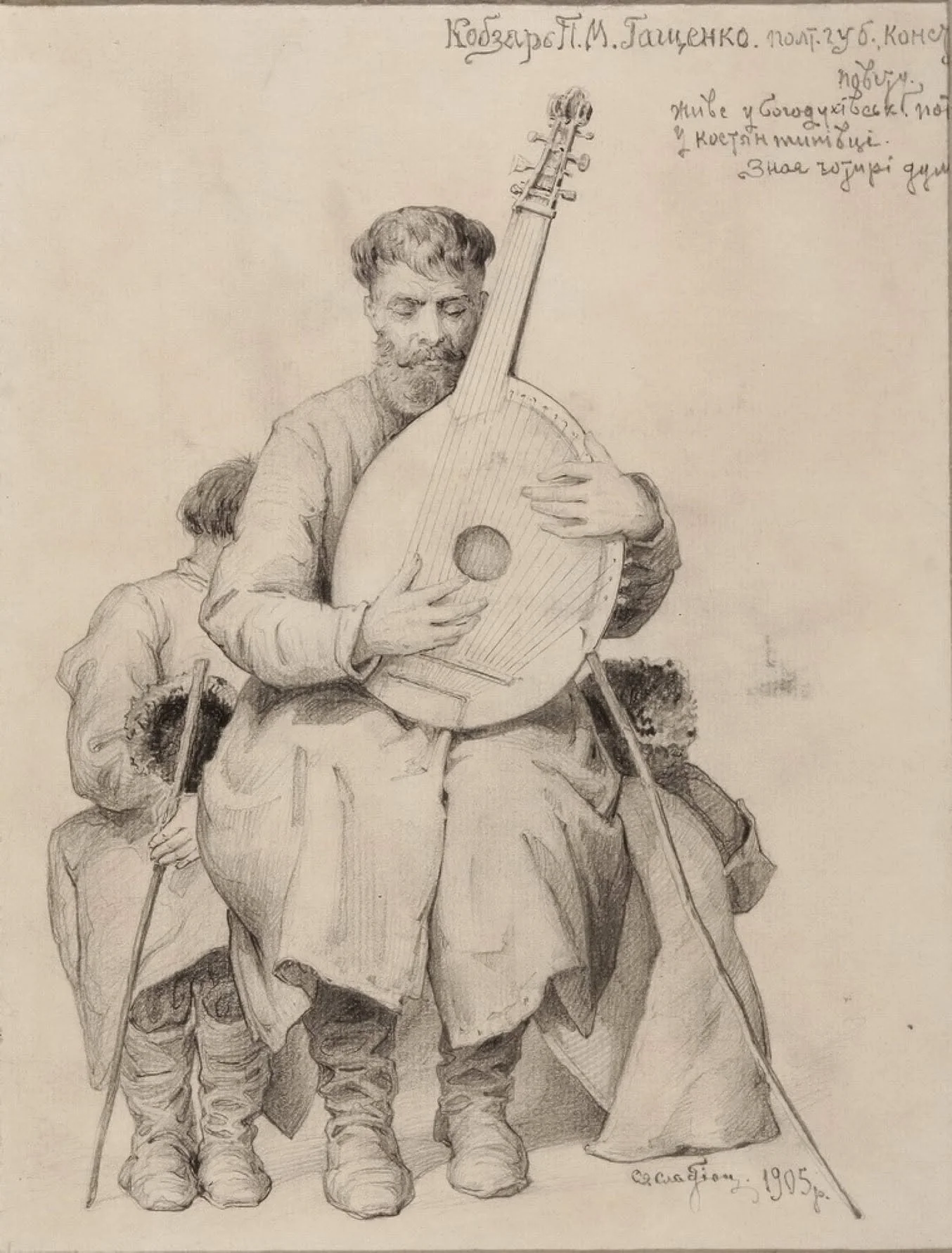
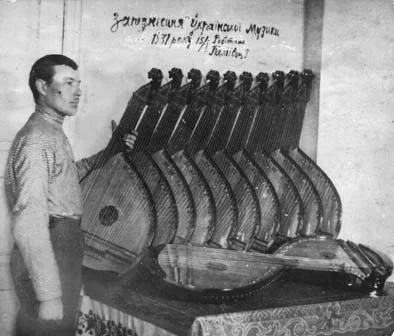
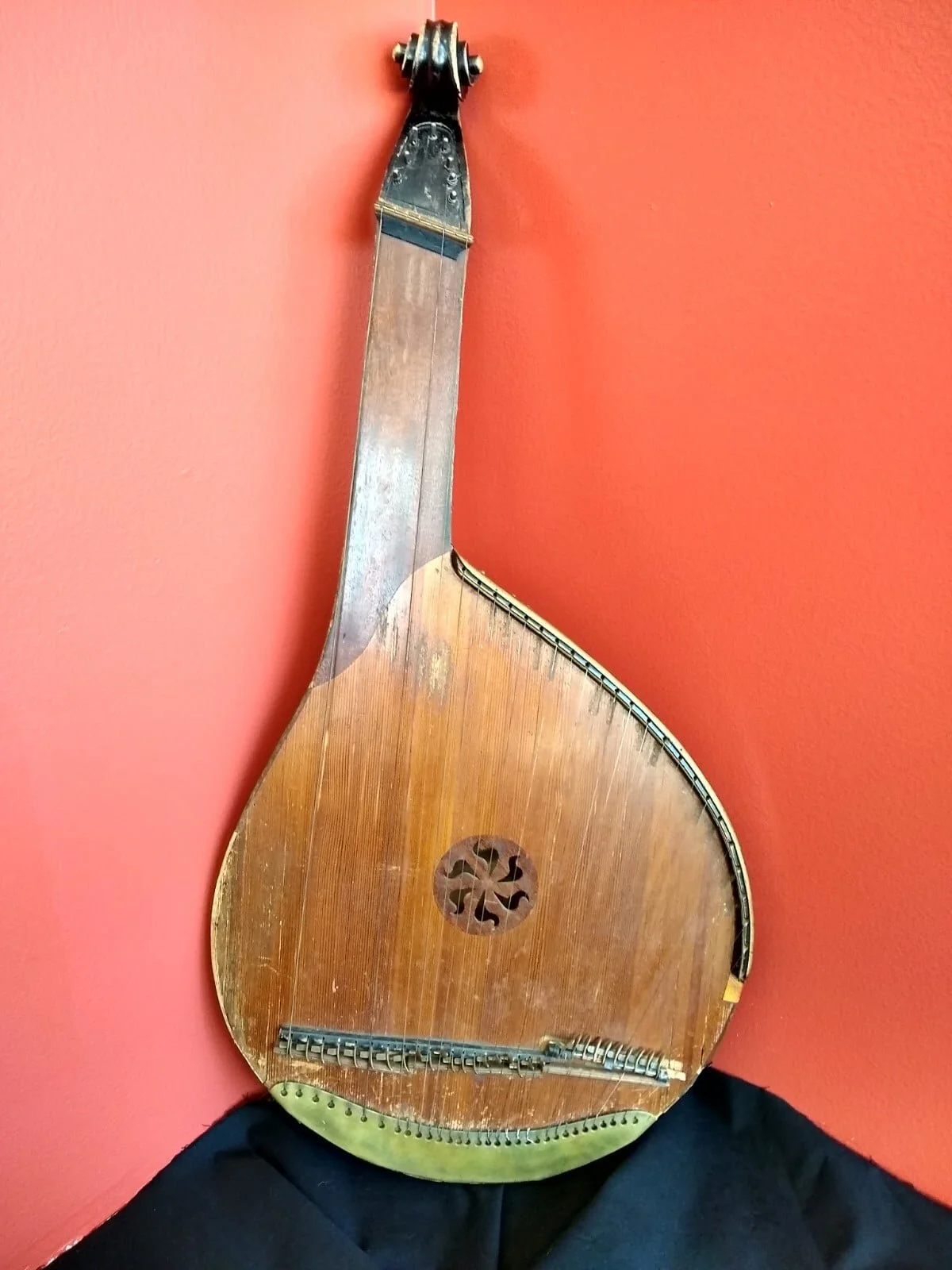
~1930: Hryhory Paliyivets develops the predecessor to the modern Poltavka in collaboration with Hnat Khotkevych and Volodymyr Kabachok. It is a diatonic instrument, and the first to feature semitone switches.
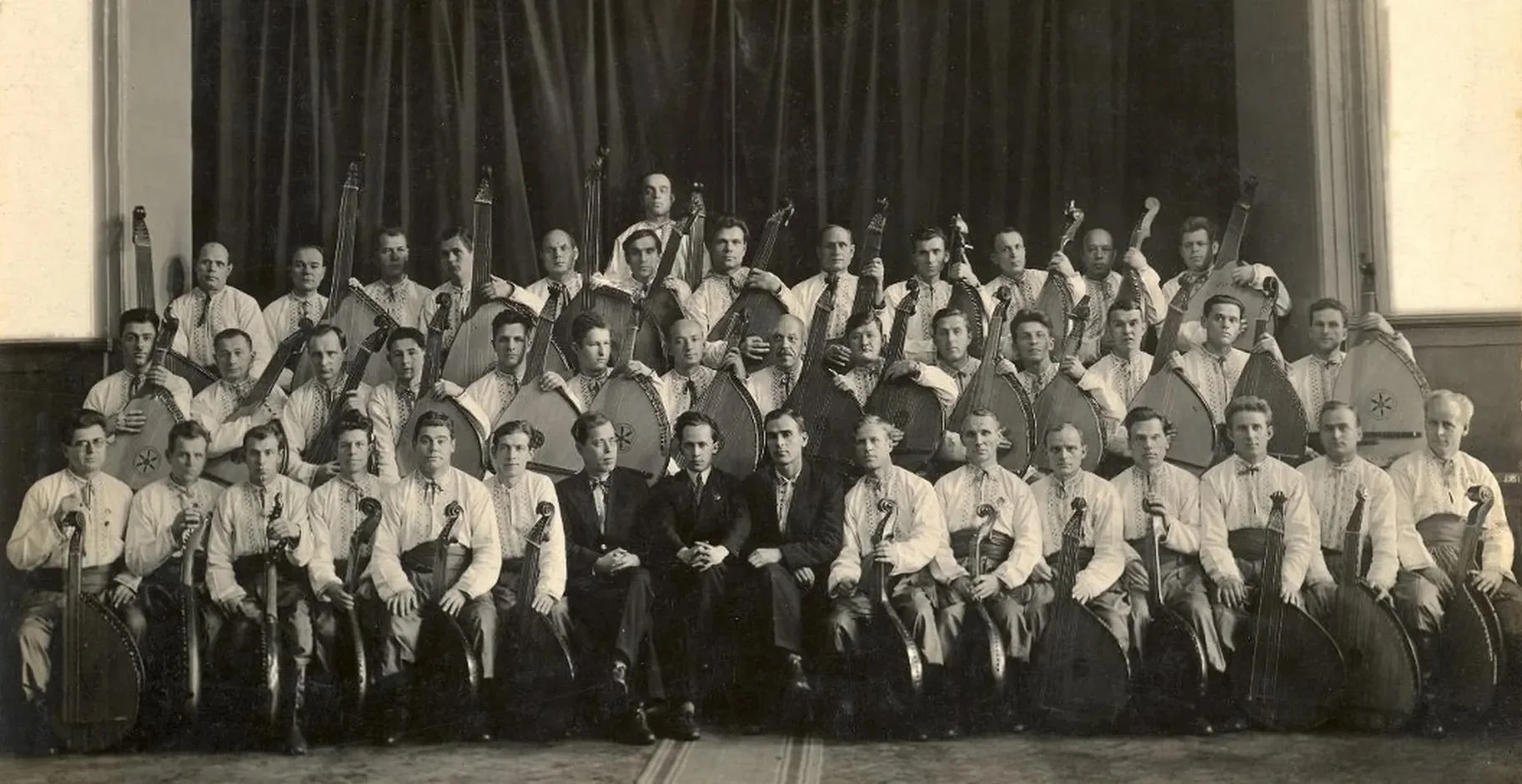
1935: The Ukrainian Bandurist Chorus comes under Moscow’s direct authority – and censorship
1938: Hnat Khotkevych – who started the 20th century revival of the bandura and shepherded the Kharkiv bandura project – is executed
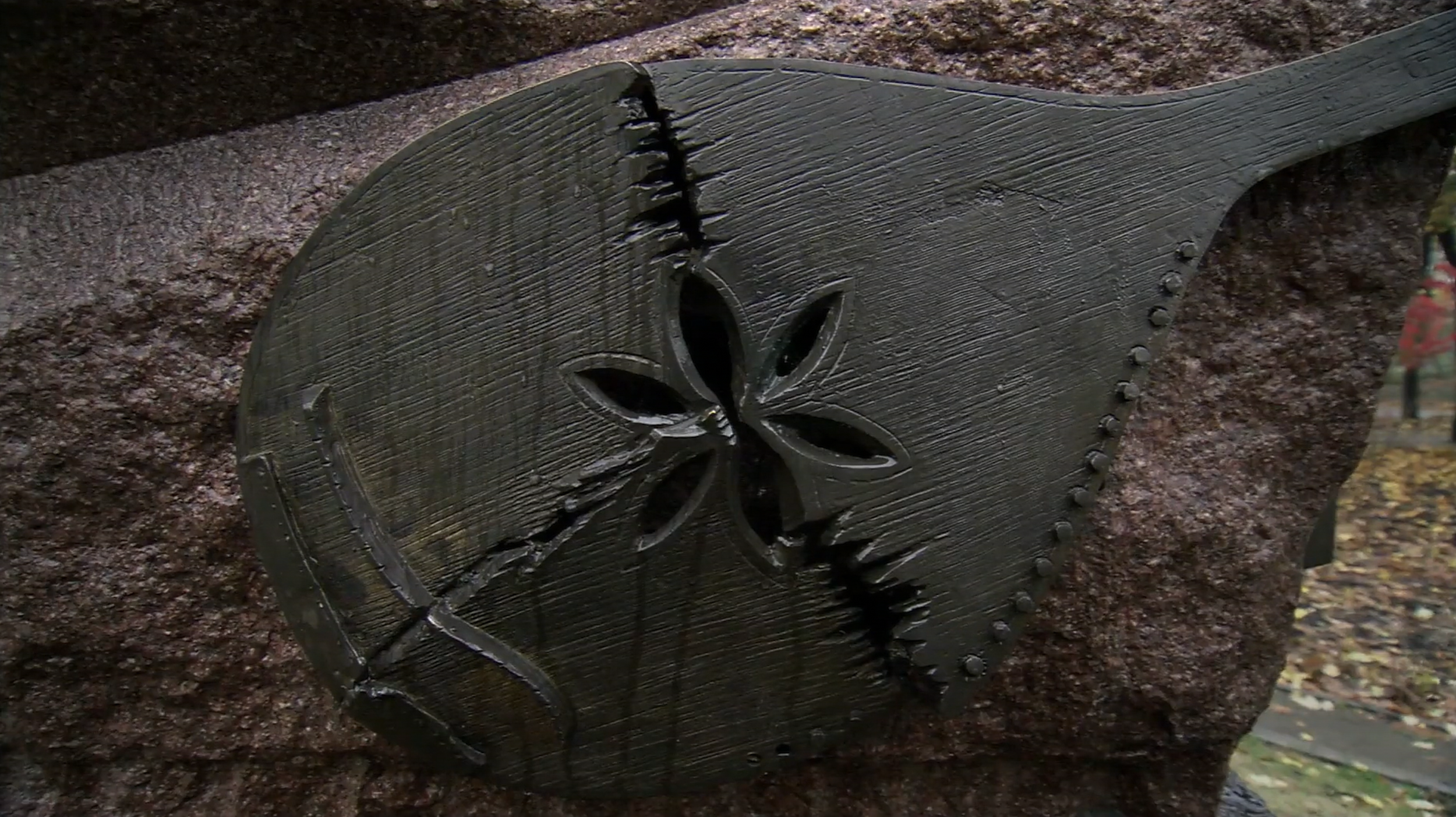
By 1938: More than half the members of the bandurist chorus are shot, arrested, or otherwise disappeared. Hundreds of bandura players are executed in the Great Purge.
1942: The Ukrainian Bandurist Chorus is sent to a forced labor camp in Nazi Germany, ending the Kharkiv Bandura tradition in Ukraine
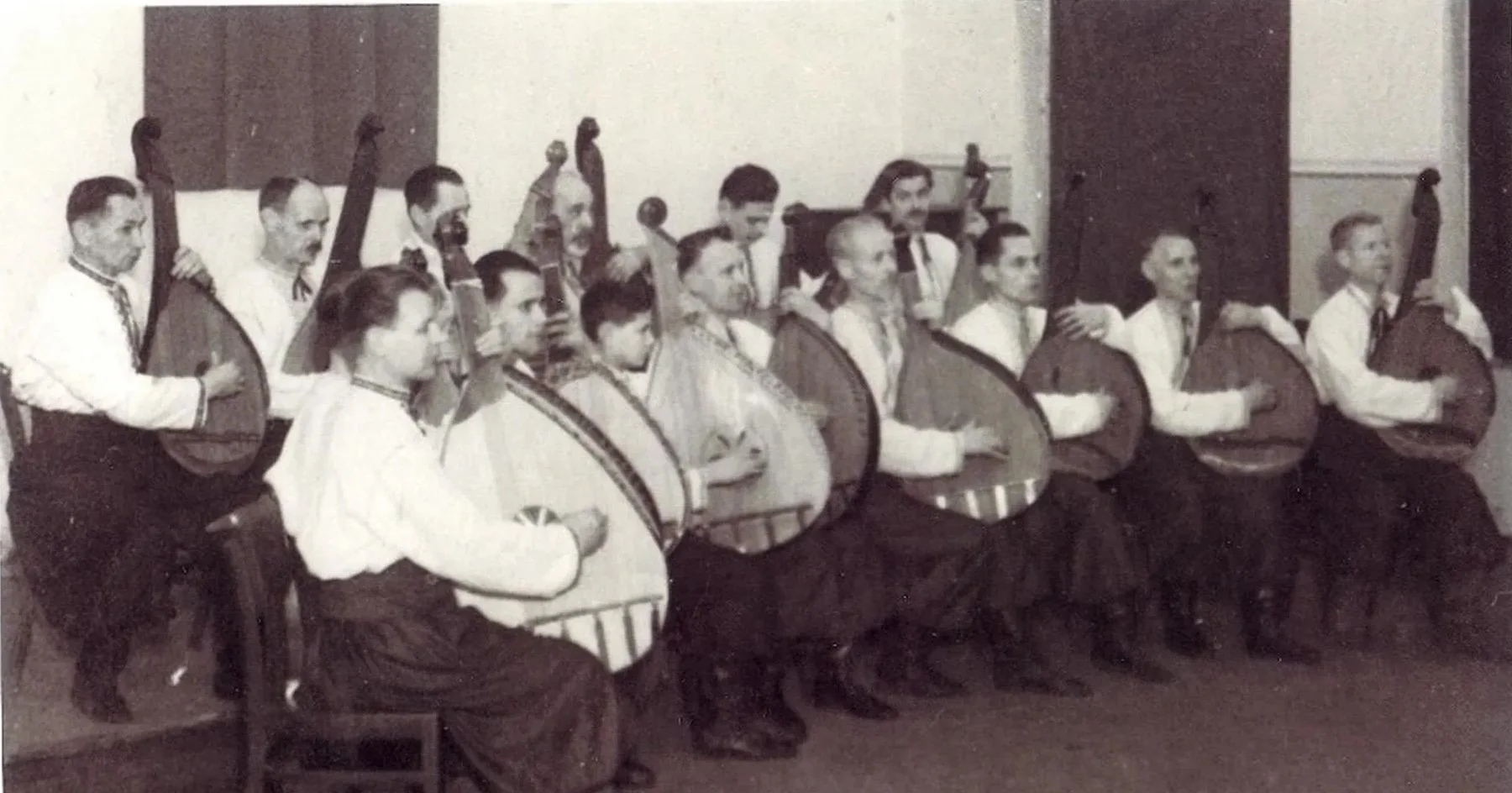
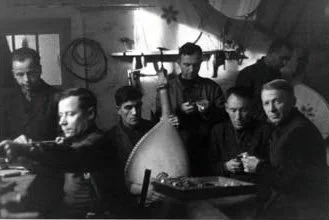
1946: Alex and Petro Honcharenko take up bandura repair and construction in the Displaced Persons camps in Germany, using whatever leftover wartime scraps they can get their hands on
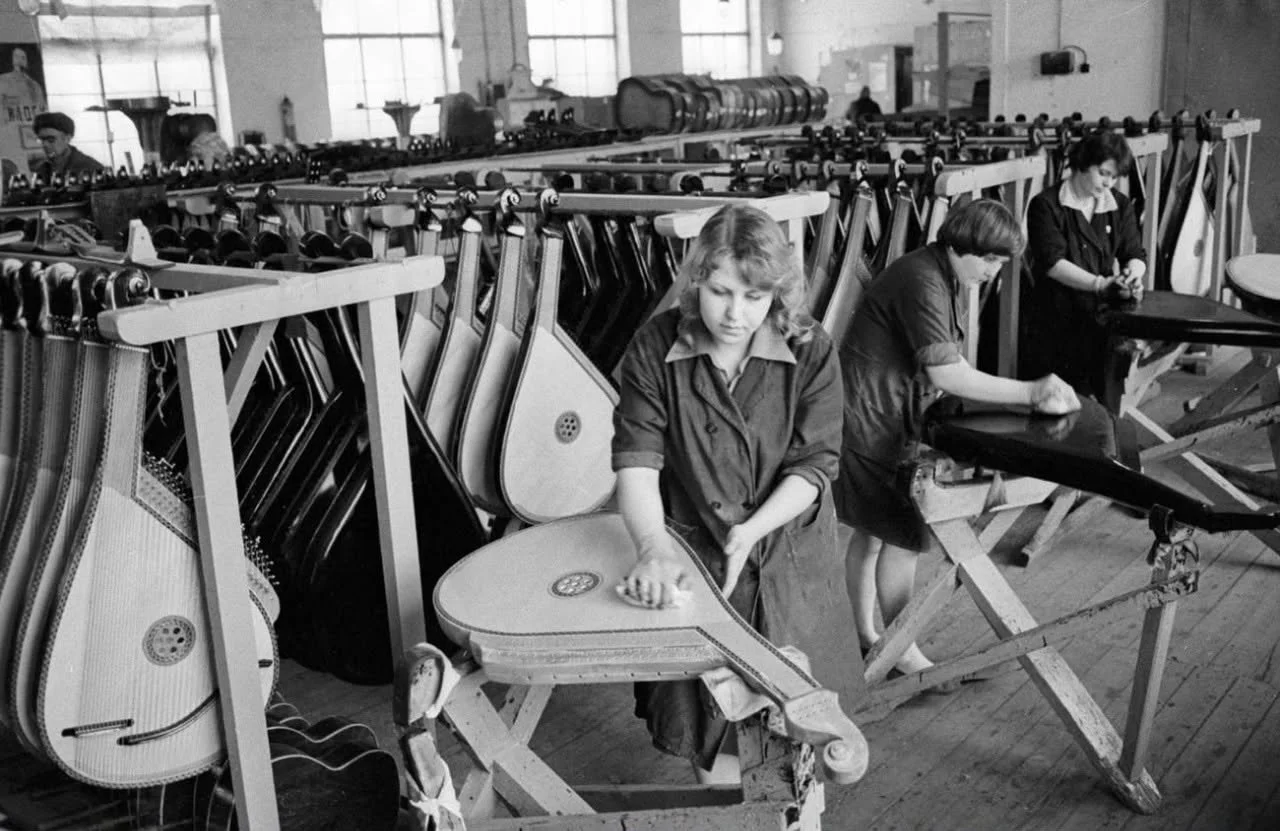
1954: The Chernihiv Musical Instrument factory begins production of Kyiv-style banduras based on Ivan Skliar’s designs.
Traditional repertoire is repressed, and the Kharkiv-style bandura tradition lives on only outside of the Soviet Union. The vast majority of the world’s banduras were produced at this factory between 1970-1990.
1955: Ivan Skliar develops the Chernihivka mechanism, the first reliable ganged bandura mechanism, meaning that a single lever adjusts the tonality across all of the prystrunky.
This ushered in a shift in Ukraine from diatonic to chromatic basses, even for the non-mechanism banduras. This change was not as popular in the diaspora, and to this day diatonic basses are more common outside Ukraine.
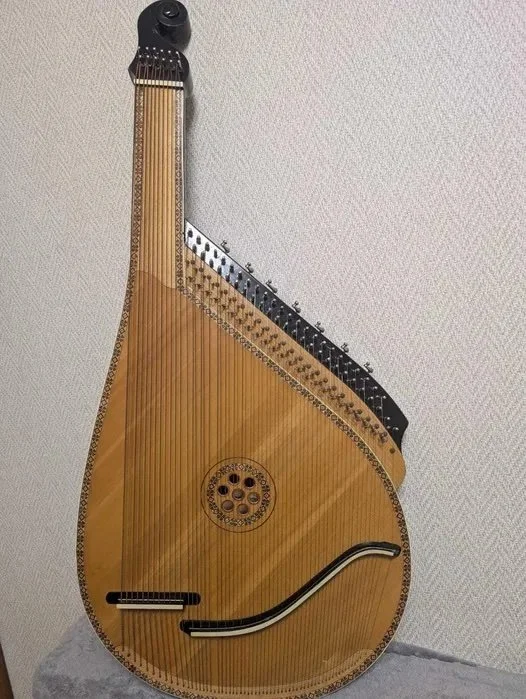
1964: The first “Lvivianka” is developed by Vasyl Herasymenko for production at the Trembita Musical Instrument factory. This is a type of Kyiv bandura, but borrows its curved back design from the torban.
The Trembita factory continues to manufacture banduras to this day.
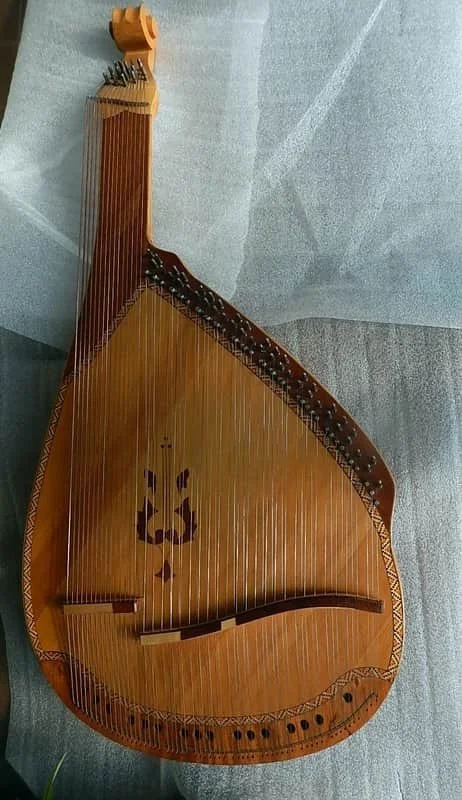
1967: Ivan Skliar develops the Kyiv-Kharkiv bandura, an engineering masterpiece which makes it possible to play both Kyiv and Kharkiv style bandura on a single instrument, with a ganged semitone mechanism on the bridge.
Unfortunately, it is heavy, complex, quiet, and uncomfortable to play. Skliar passed in 1970, and the design was abandoned.
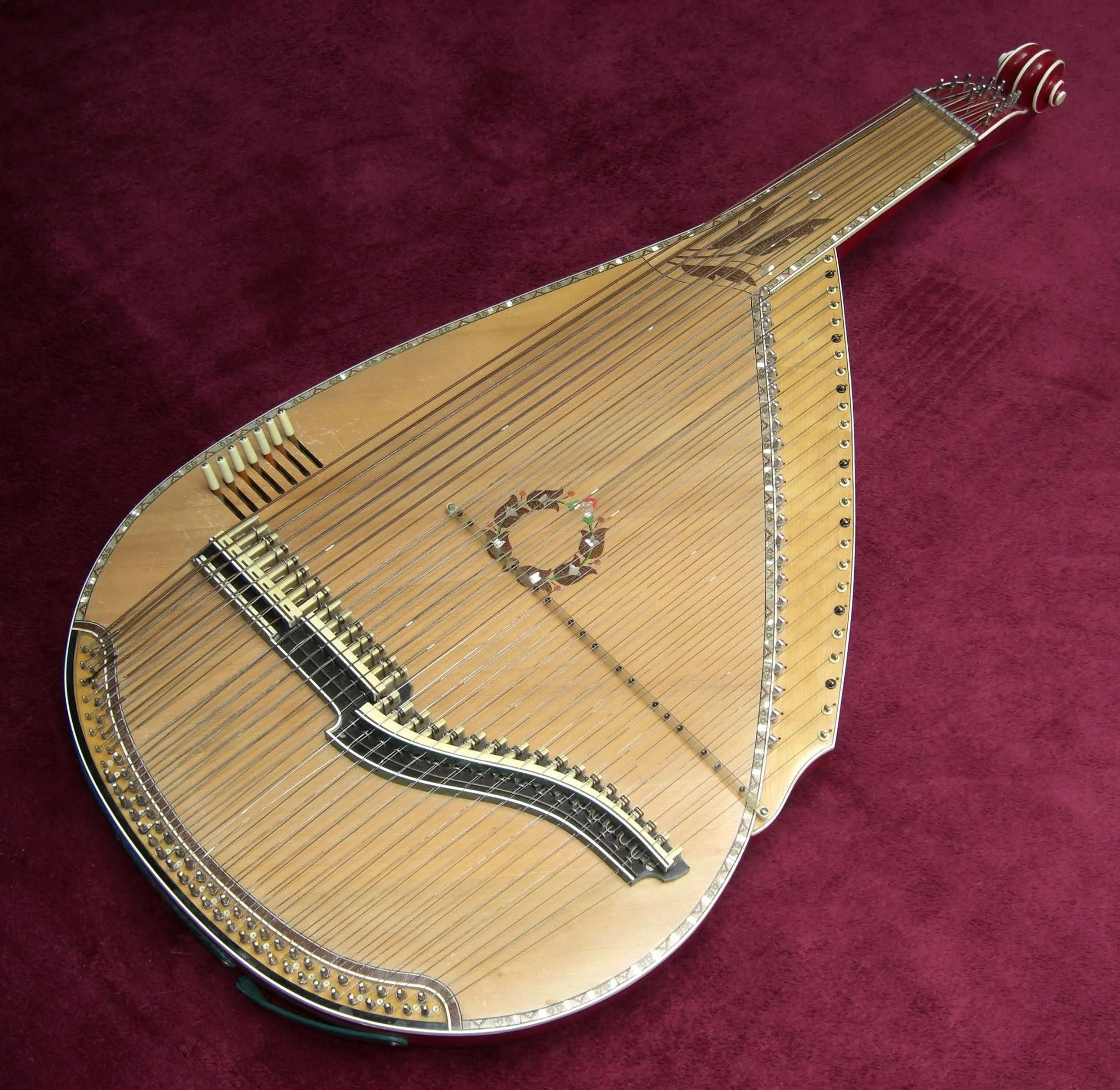
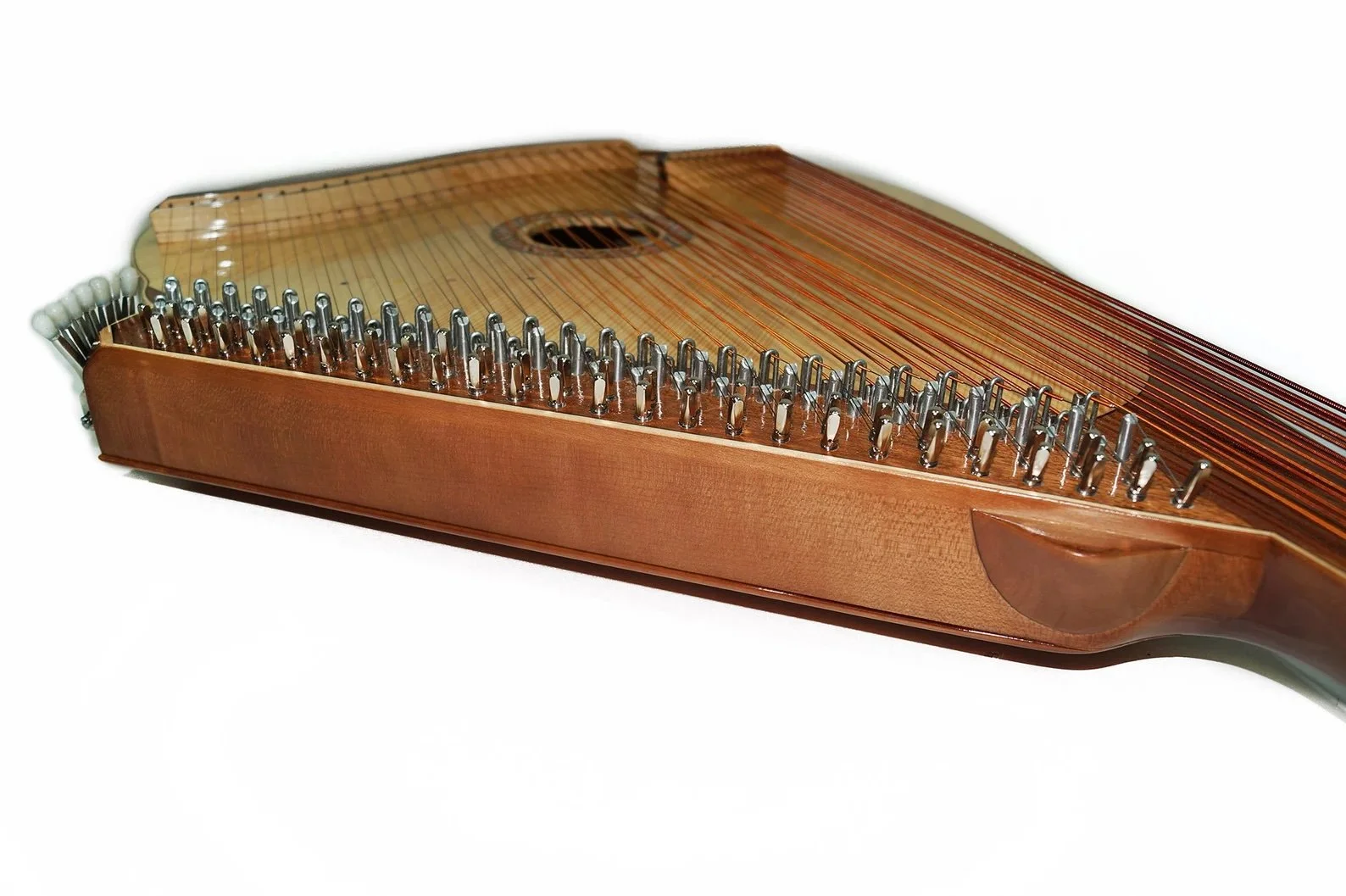
1984: Vasyl Herasymenko develops the modern bandura mechanism, an improvement over his 1974 design and over the earlier Chernihivka mechanisms.
This mechanism moved the levers out of the way, making it easier to play with the left hand over the top (though still nowhere near as comfortable as on a Kharkiv bandura).
It also added saddles to pinch the strings and made it easier to regulate.
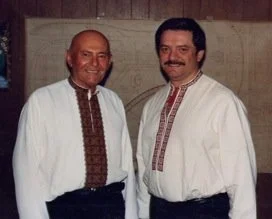
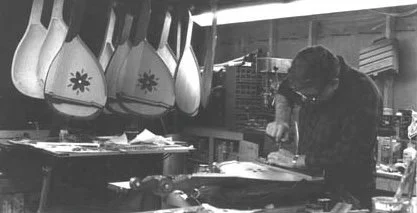
1979: Bill Vetzal learns how to make Kharkiv banduras from Alex Honcharenko. He becomes the world’s most prolific Kharkiv bandura maker despite not speaking any Ukrainian and not knowing how to play the instrument.

1991: Ukraine declares independence
Production at the Chernihiv Musical Instrument factory soon slows to a crawl. It struggles to survive without Soviet subsidies amidst external competitors.
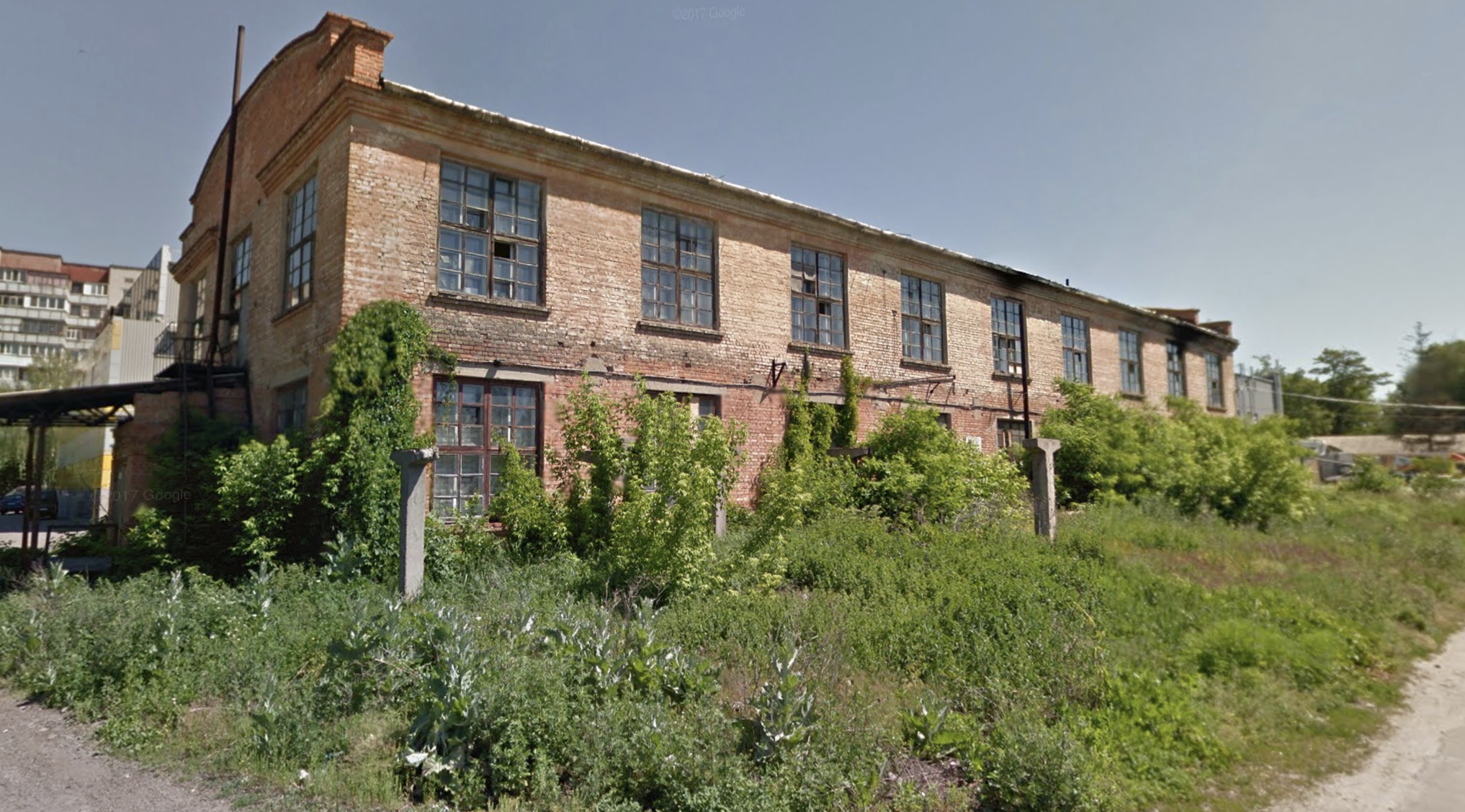
2000: The Chernihiv Musical Instrument factory declares bankruptcy and shuts down. Its buildings are left to rot. At least one suffered
2004: Bill Vetzal develops the world’s first composite bandura, made of fiberglass
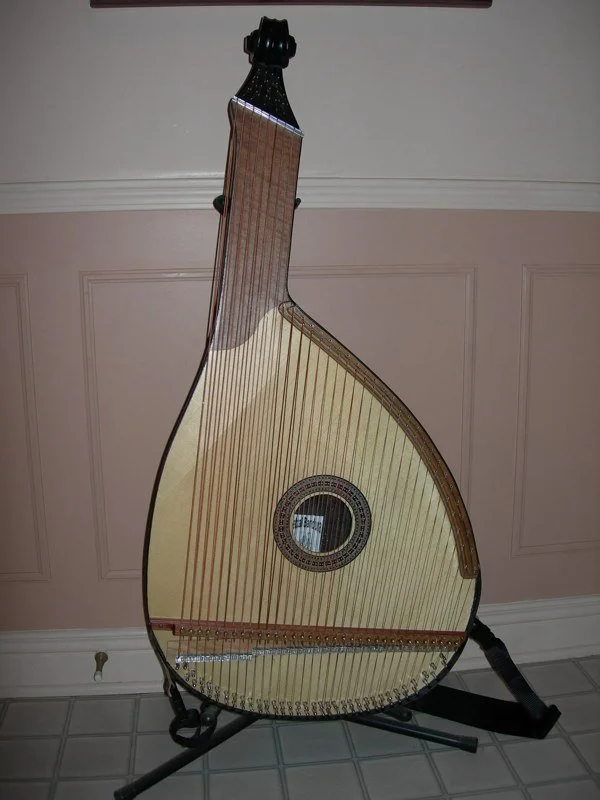
2022: Danylo Centore spends a week with Bill Vetzal learning how to build Kharkiv banduras